The Ukrainian Carpathians on the way to the EU: people and cases
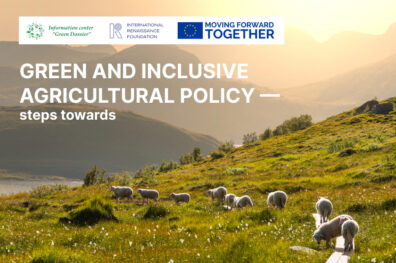
The Khust Shepherds’ Association began with the belief that a person who runs a farm and works hard should live well. It also began with a desire to preserve sheep farming as a centuries-old traditional craft of the locals.
The initiators are well-known people far beyond their Nyzhnye Selyshche and Khust district, throughout Ukraine and abroad. Cheeses from the Selyske Cheese Creamery, sausages from the “Zelenyi Hai” eco-farm, the Selysky Rakash local food shop with the best local produce, and the Free Svydovets international campaign to protect the Svydovets mountain range.
A lot has already been written about Petro and Inna Pryhara, as well as Oreste del Sol in social media and various publications, filmed in stories and videos. Transcarpathian Travel agencies have long included Nyzhnye Selyshche with its interesting activists in their routes.
They went door-to-door to explain to the sheep herders why they should form an association. Finally, eight years ago, the association was launched. The initiators, who had already come a long way in creating and distributing unique products, suggested simple things called a marketing strategy. Selling attractively packaged bryndza, not fresh budz; not from the house or by the roadside, but through the association, the Selysky Rakash shop or the internet. To create a recognisable brand and attract tourists.
This local strategy of supporting sheep farmers and cheese makers paid off quickly. Small farmers have become more confident in their life outlook, while the Traditional Khust Cheese brand has become known not only in Transcarpathia but also across other regions of Ukraine.
The tourist attraction in Nyzhnye Selyshche usually ended with… well, a very unusual entrance to the slow food restaurant “Geleta”. The restaurant offered a slow and thoughtful tasting of delicious dishes made from local products.
With the beginning of the full scale Russian invasion, life in Nyzhnye Selyshche changed. In fact, the village became a big refuge for numerous immigrants. The village shelters and local activists take care of the IDPs, organise entertainment for children and education for adults, grow vegetables and plant trees together with the IDPs, and, of course, help the Ukrainian army. And the “Geleta” restaurant is still engaged in humanitarian aid instead of fine dining, hoping to resume tourism after our victory.
This article prepared in the frame of “Green and inclusive agricultural policy – steps towards” project implementing by ICO IC «Green Dossier» with the support of the European Union and the International Renaissance Foundation within the framework «European Renaissance of Ukraine» project.
Its content is the exclusive responsibility of the authors and does not necessarily reflect the views of the European Union and the International Renaissance Foundation.