(a photo report on the study tour within the frame of the project “Green and Inclusive Agricultural
Policy – Steps Towards”)
Lysa Mount above Rakhiv. The Rose of Wind meadow. All the tallest peaks of the Carpathians are visible from here. And the borders between countries are not visible.
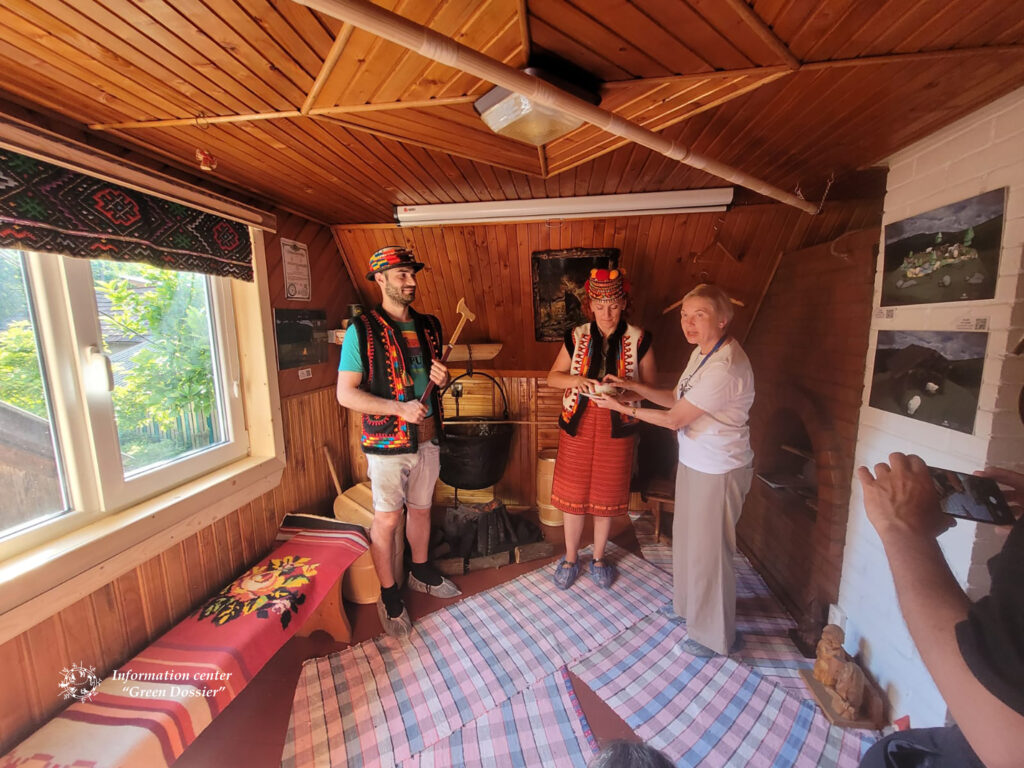
It is hot in the meadow, but the usual summer work does not stop because of this extreme heat — haymaking, sheep, bees, cheese. Mr Vasyl Nebela, the owner of the mountain farm, confidently guides us through his hot farm, telling us about the mountains and the customs of the local Hutsuls along the way. A tour for tourists usually ends in a small, tidy cheese dairy where you can taste and buy the products of this highland farm.
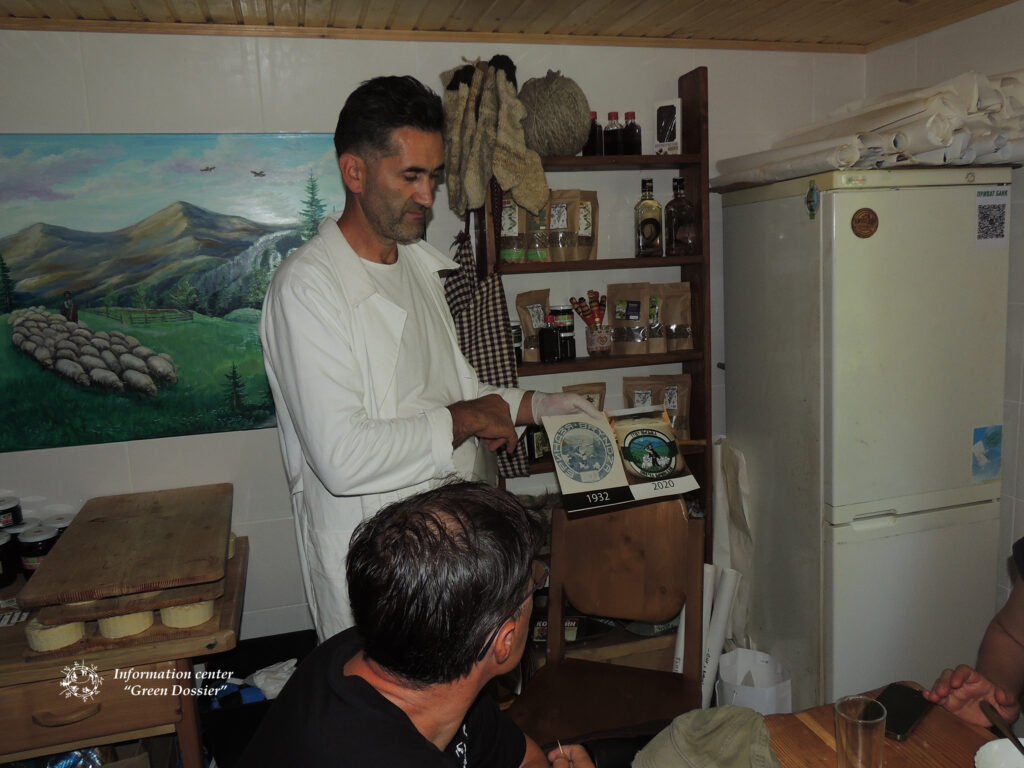
But we’re not exactly tourists, and while tasting the authentic Hutsul banosh, we ask about working conditions, the sale of mountain products, the support the owner needs today, and compare it to the situation across the borders that are not visible from the meadow. By the way, our colleagues know nothing about banosh. How come, the Italian corn porridge polenta is known all over Europe, but Hutsul banosh is not.
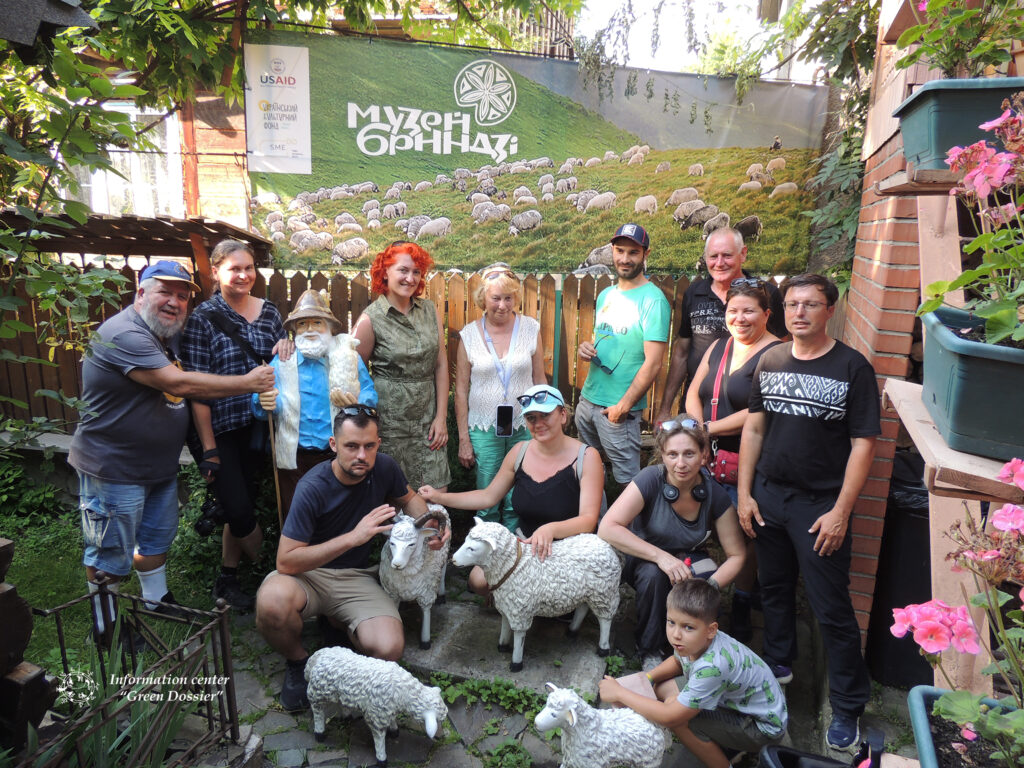
Down in Rakhiv, there is the Museum of Hutsul Bryndzya, where you can learn all about the work and life of sheep farmers, history and traditions, visit a meadow in virtual reality and even play a role in traditional Hutsul rituals. And it is very important that they not only immerse visitors in traditions and customs, but also confidently promote local products, which were the first in Ukraine to receive a geographical indication in accordance with EU standards (see more details in our publication). Both Vasyl Nebela and Olga Shkuro, the curator of the unique museum exhibition, are members of the Association of Producers of Traditional Carpathian and Highland Cheese, so it is logical that the museum helps to promote the products of local farmers.
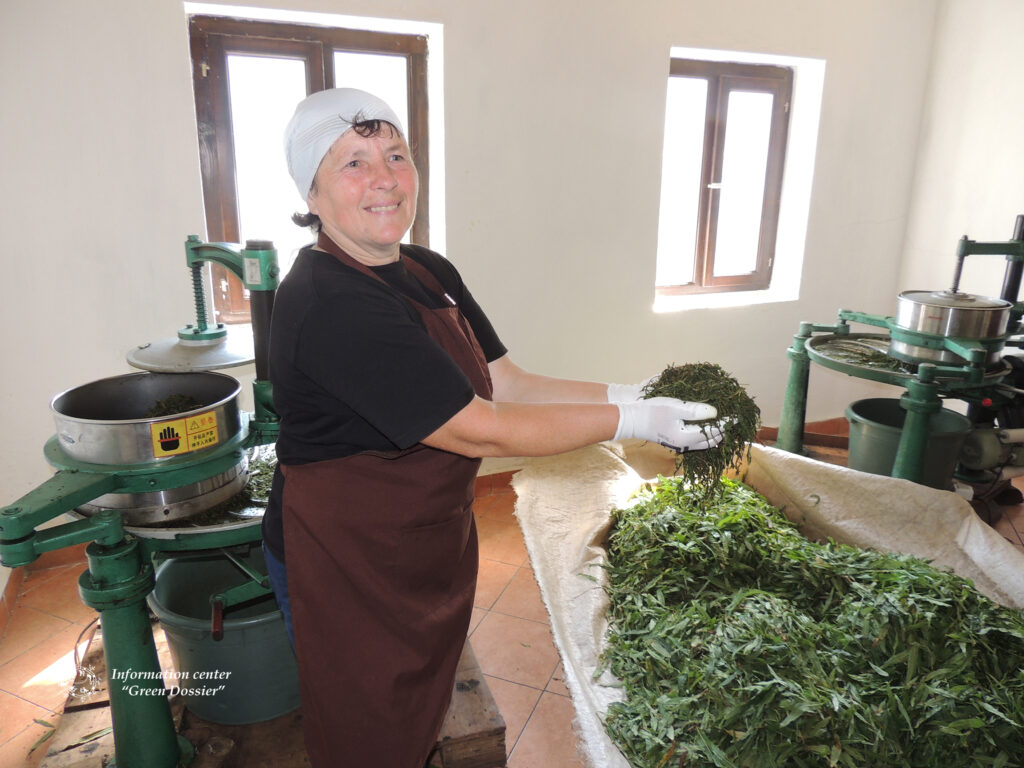
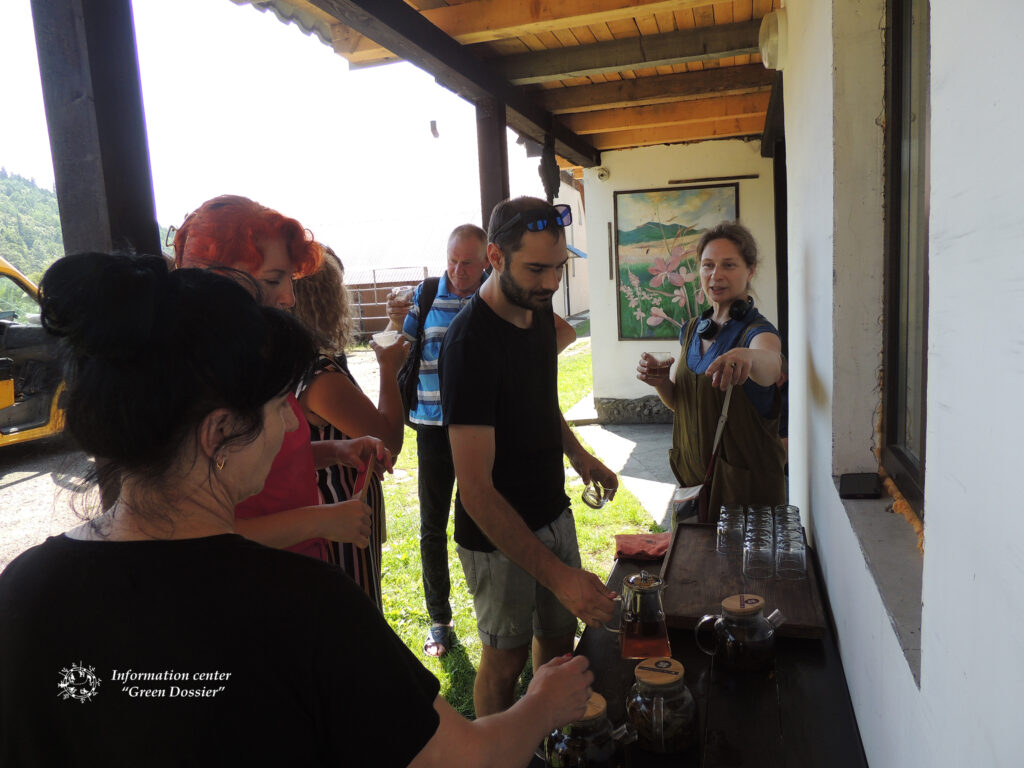
Rosebay willowherb is the basis of a whole series of Carpathian teas. The owner of the Molfar tea factory Eugen Goncharenko is currently in the army, and he tells us about his production over the phone. And the factory’s employees are happy to demonstrate the continuous production process, allow us to help a little and, of course, treat us to the tea. The raw materials for the tea are collected by residents of several surrounding villages in the clearings and forests near the village of Izky, Mizhhiria district. The Molfar tea has organic certification, it is already known throughout Ukraine thanks to its sale on Ukrzaliznytsia trains (Ukrainian railway), and recently brightened business events in Davos, Switzerland.
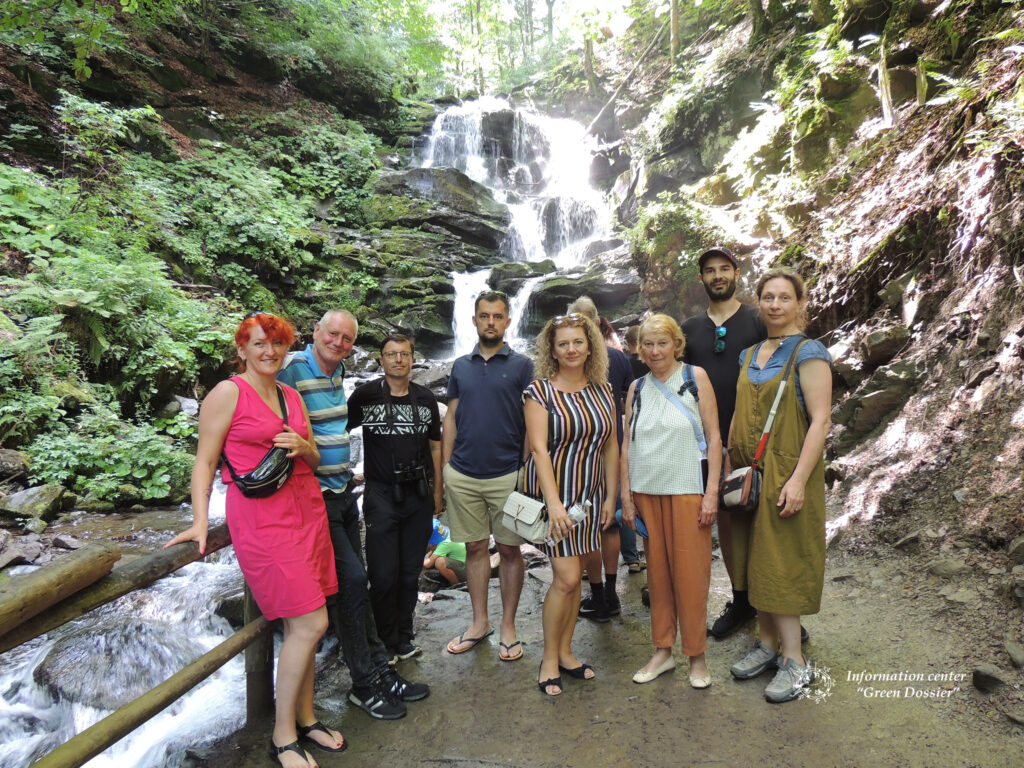
Shypit Waterfall is one of the most popular tourist attractions in Zakarpattia. There are many offers from locals to climb the mountains by various types of vehicles. Our colleagues are frankly surprised — such trips should be banned as they are harmful to the mountains and their inhabitants. Thus, another topic for joint discussion is how to protect unique natural sites from uncontrolled wild tourism.
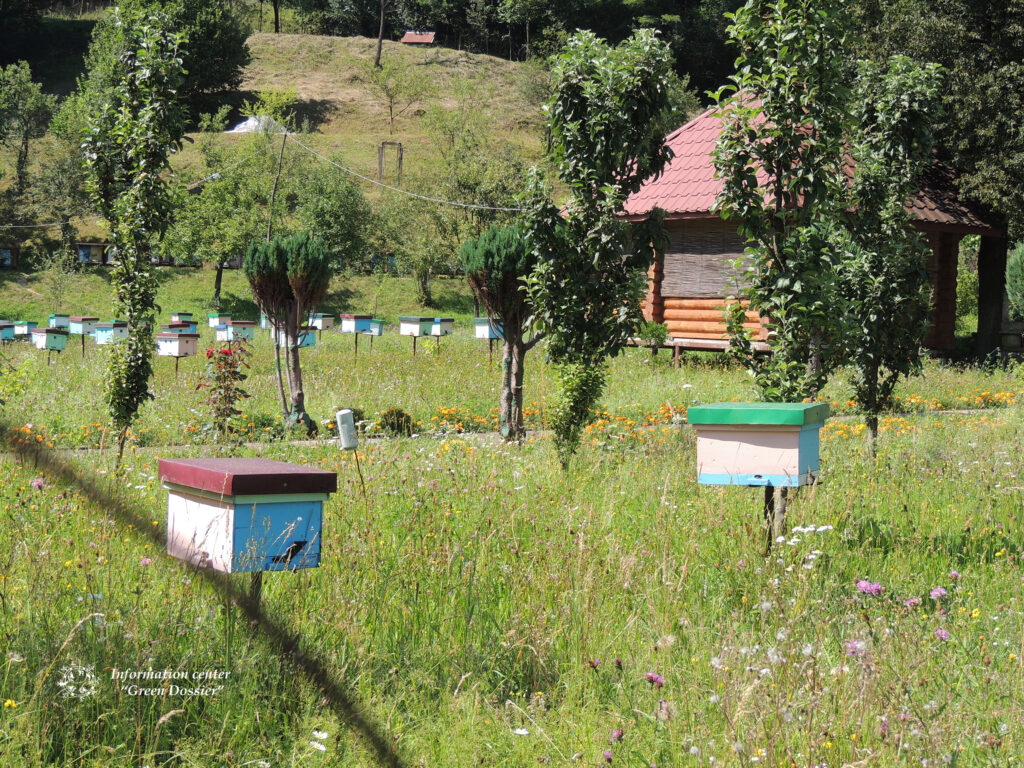
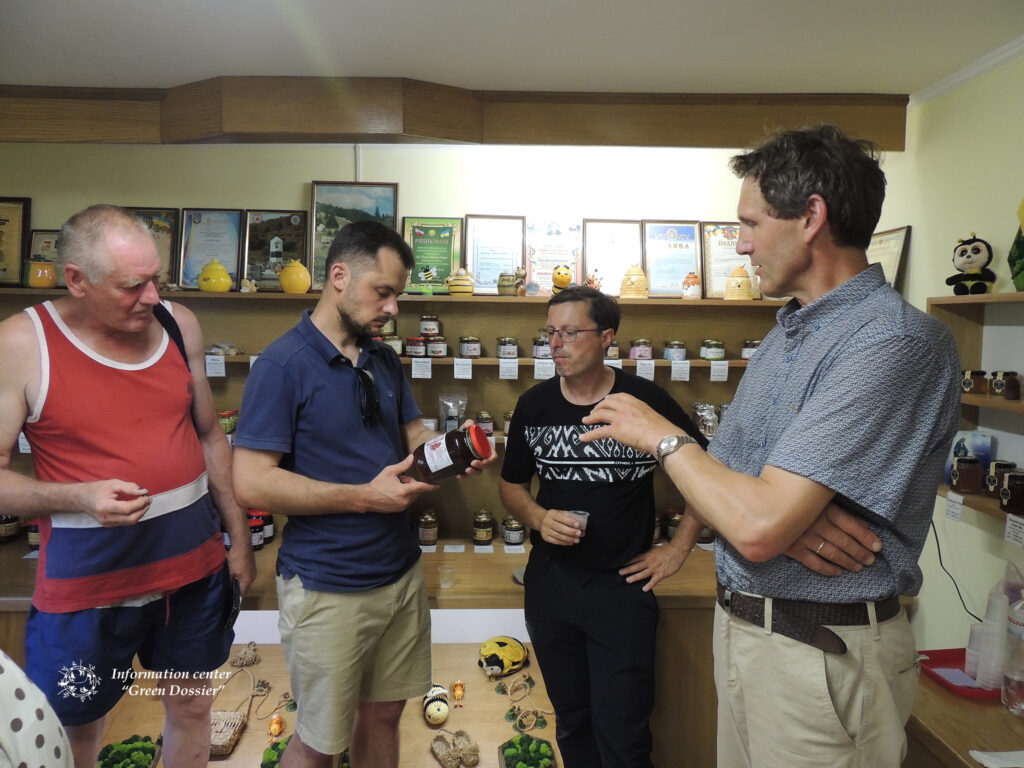
The Carpathian bee is a separate universe (read more about the Carpathian bee here). A unique centre for breeding and reproduction of the Carpathian bees in the village of Vuchkove, a lecture-tasting by Ms Liudmyla Peresta at the Honey House in Mukachevo, and professional debates with the leader of Transcarpathian Beekeepers’ association “Sribnyy Kray”, Mr Viktor Papp. Some of the participants of our tour are professionally engaged in beekeeping, so the group is logically divided into those who listen attentively to everything about bees and honey products, and those who are already ready to cooperate with Ukrainian beekeepers, without waiting for Ukraine’s accession to the EU.
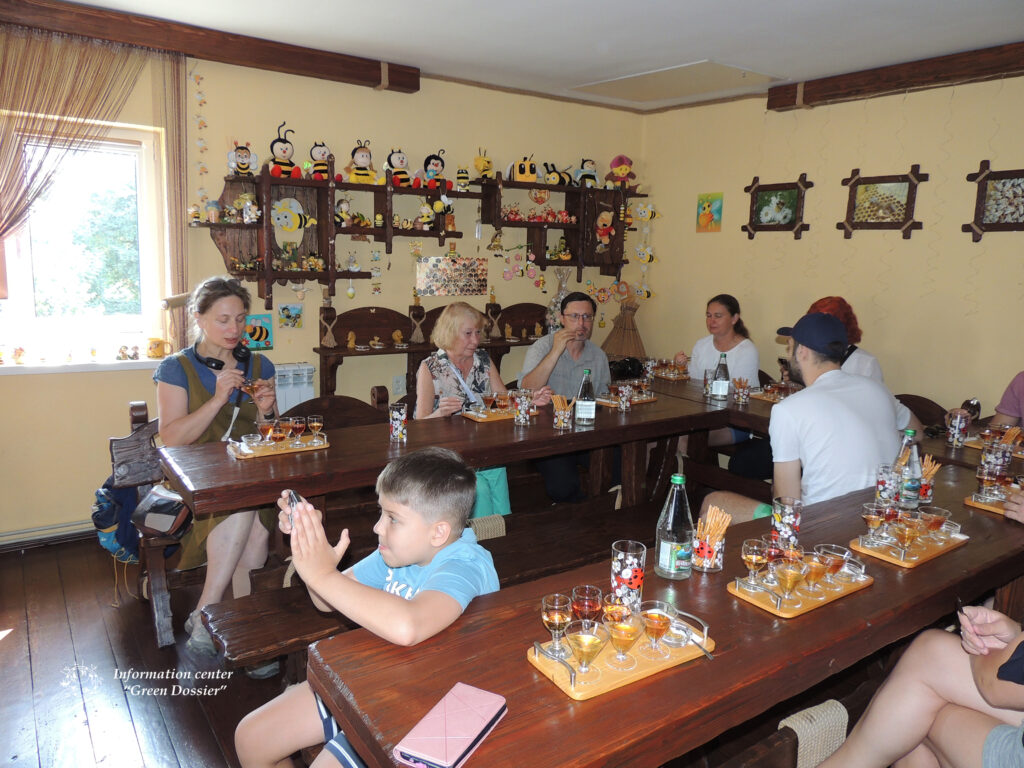
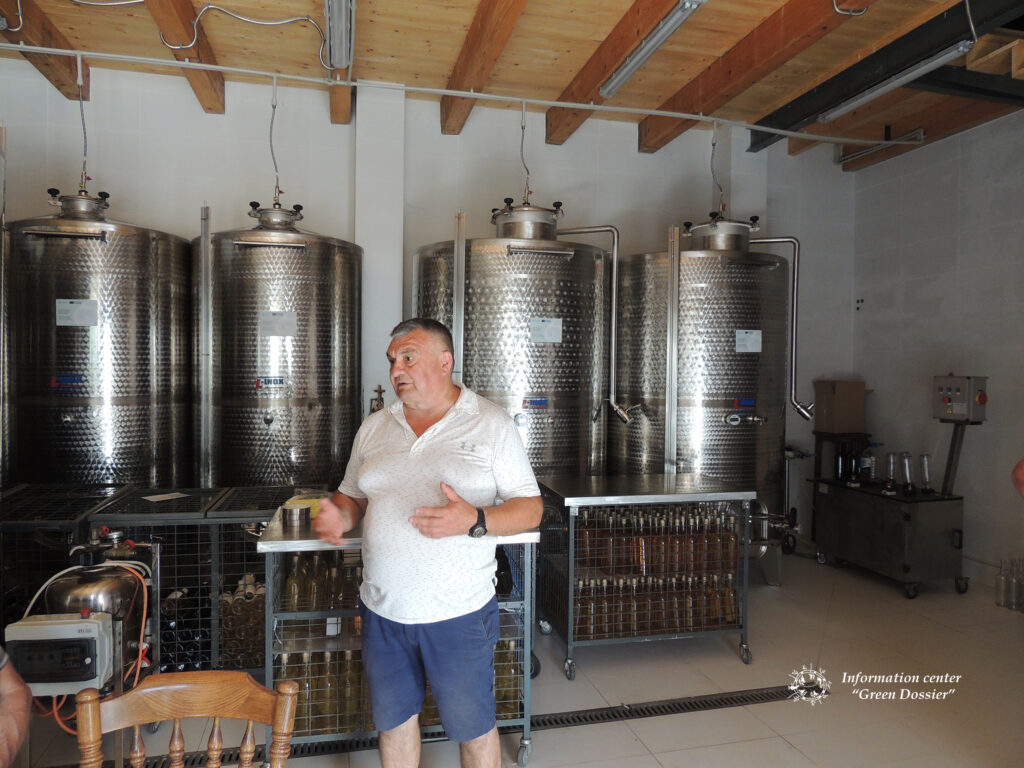
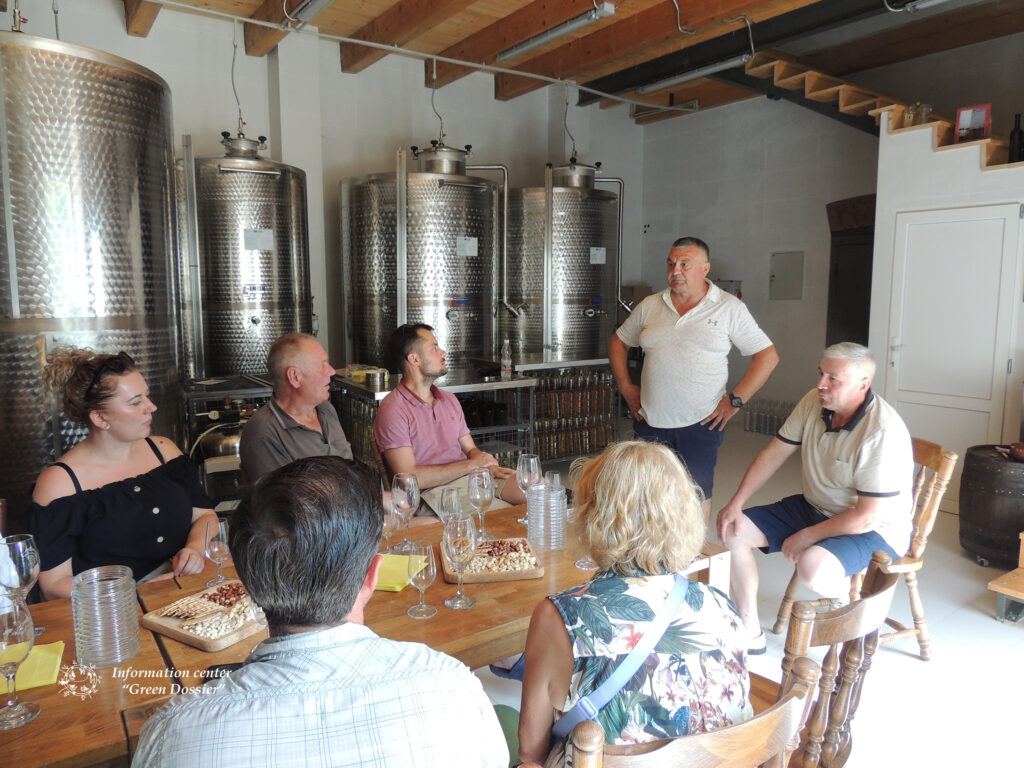
Zakarpattia is called the Silver Land. One of the versions of the name’s origin is existence of many springs with clear, pure water that looks like silver. The wines of the Silver Land do not only mean multinational local traditions, but also the best modern technologies. The association of winegrowers, winemakers and distillers “Wines of the Silver Land” is rapidly developing and gaining popularity. So far, locally produced wines are not available in Ukrainian retail chains, let alone in neighbouring countries, but this is a matter of time. Read more about the association here.
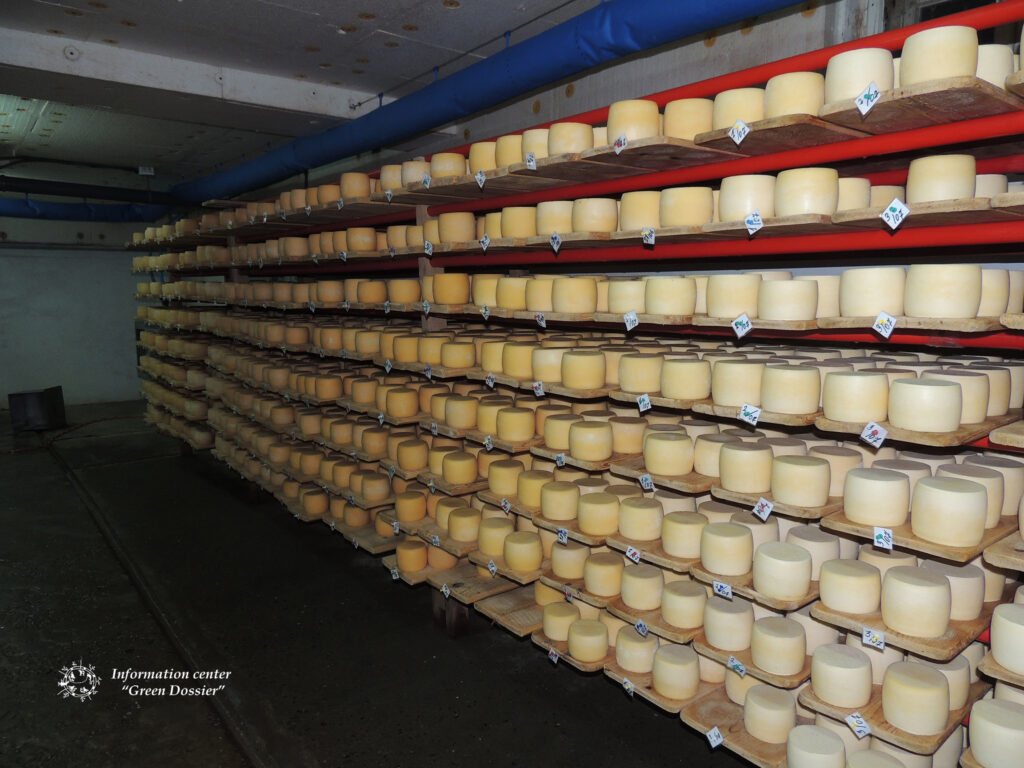
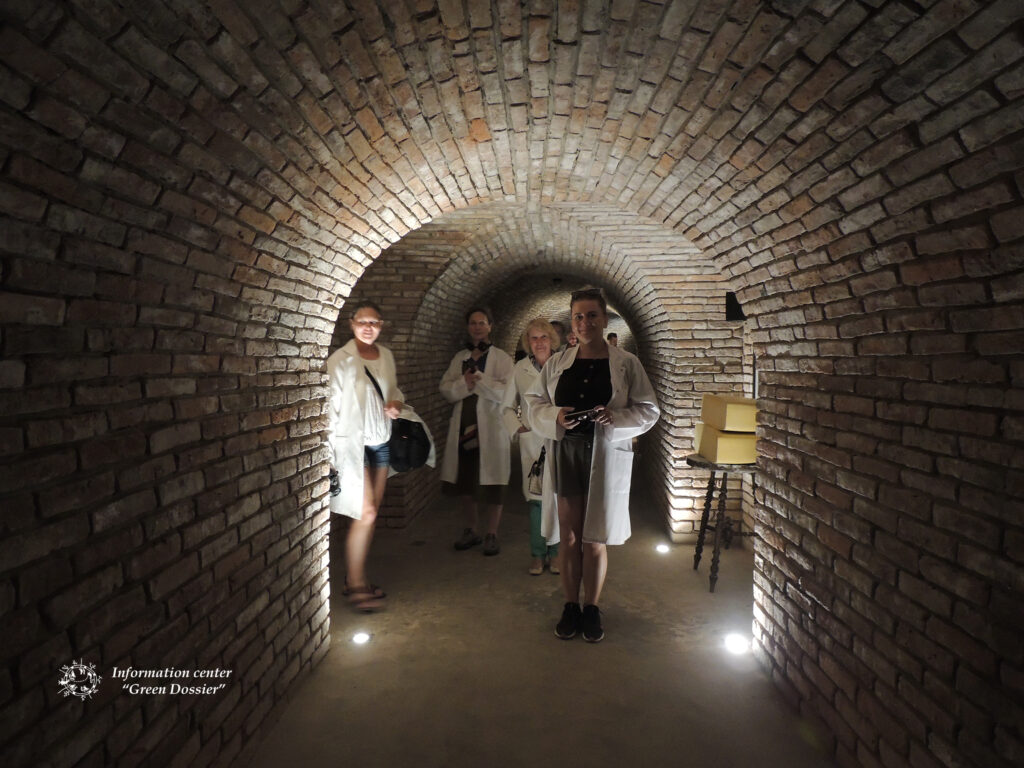
Our tour ends in Nyzhnie Selyshche. A village cheese factory with ripening cheeses and a magical dungeon, a village rakash (shop) with local products, delicious local ice cream in the yet closed Geleta restaurant.
And a frank conversation with the colleagues from Poland, Slovakia and Romania about what they have seen during these three days.
- About the fact that Ukrainian farmers have a quite adequate view of the development of their farms and sometimes do the impossible, especially in the current wartime conditions and lack of tourists.
- About what to look out for when developing a tourism business — the overload of the most popular tourist destinations and the lack of information about equally interesting locations is a problem common to many countries today.
- About the impact of modern farming on the development of the surrounding area — preserving biodiversity and engaging local people in joint activities.
- About the need to adapt not only to the current extreme heat, but also to future climate change.
- Finally, about the problems that our neighbours have not yet managed to overcome, even with the help of EU standards and money.
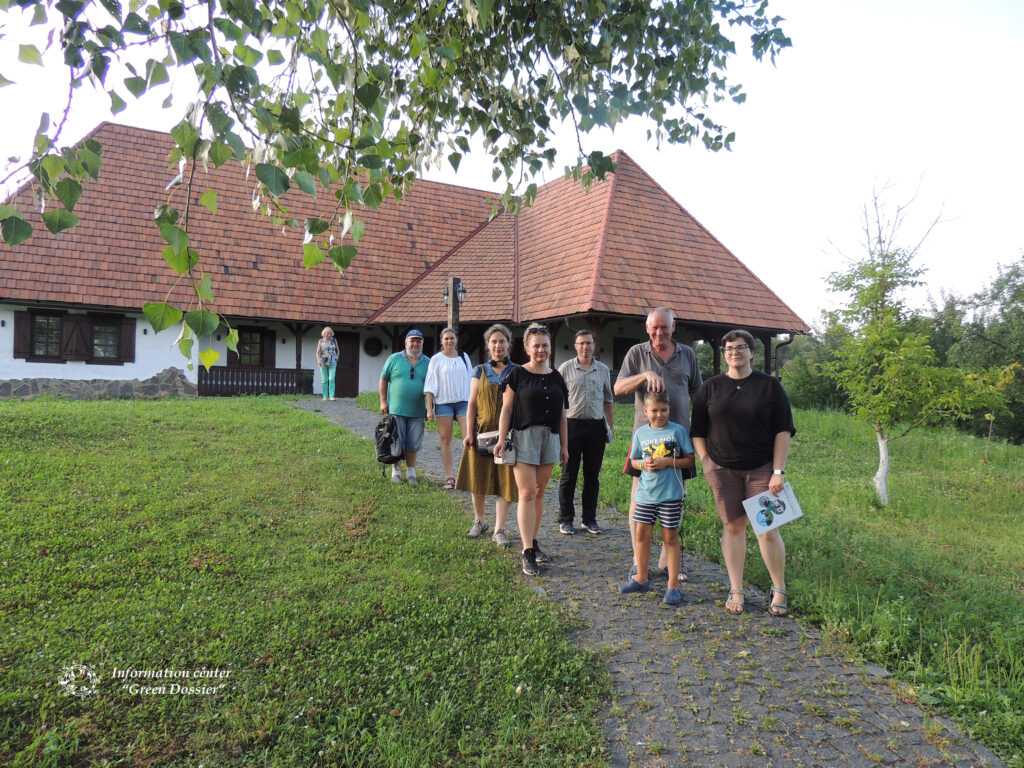
We would like to thank the Romanian Association 2Celsius, the Association of Polish Organic Producers Polska Ekologia, the Association for Nature Conservation Machaon International (Slovakia), and Martina Slamova, a lecturer at the Technical University in Zvolen (Slovakia), for their participation in the tour and support of the project.
We would like to thank our Carpathian hosts for their warm hospitality, as well as Mr Oleksandr Koval, Tourinform Zakarpattia, for his advice and assistance in organising the tour.
We look forward to seeing everyone at the next project events, where we will be able to discuss our common challenges and opportunities in more detail.
This article prepared in the frame of “Green and inclusive agricultural policy – steps towards” project implementing by ICO IC «Green Dossier» with the support of the European Union and the International Renaissance Foundation within the framework «European Renaissance of Ukraine» project.
Its content is the exclusive responsibility of the authors and does not necessarily reflect the views of the European Union and the International Renaissance Foundation.